⚠ Content Warning: This film contains discussion of suicide prevention, mental health and emotional wellbeing.
In this film, Yasmin shares her reflections on suicide prevention and the importance of ensuring that racialised communities have access to support that is understanding, compassionate and culturally responsive.
Drawing on her own experiences and perspectives, Yasmin speaks about mental health, wellbeing and the importance of creating spaces where people feel safe to seek help, share their experiences and find support.
This film is part of Building the Space: Amplifying Racialised Voices in Suicide Prevention, a campaign dedicated to ensuring that lived experience informs the future of suicide prevention, mental health and bereavement support.
About the Campaign
Building the Space: Amplifying Racialised Voices in Suicide Prevention is a year-long campaign led by Isaac Samuels that seeks to amplify lived experiences of suicidality, suicide prevention and bereavement within racialised communities.
The campaign has been created in response to the ongoing absence of racialised voices within many conversations about suicide prevention, mental health, research, policy and service design.
Through lived experience storytelling, community dialogue and collective learning, Building the Space aims to create opportunities for people to share their experiences safely and on their own terms. These stories will contribute to a growing body of community-led evidence that can help shape future policy, practice, research and support.
At the heart of the campaign is a simple belief:
The people closest to the issues are often closest to the solutions.
Over the coming year, the campaign will share stories, host conversations, build partnerships and create opportunities for communities, organisations, researchers and policymakers to learn together.
How You Can Get Involved
There are many ways to be part of Building the Space:
• Share the campaign through your networks.
• Watch and share campaign films and stories.
• Follow the campaign throughout the year.
• Share your own lived experience where it feels safe to do so.
• Become a campaign partner, supporter or collaborator.
• Connect us with organisations, researchers, policymakers and community leaders.
• Host conversations and create opportunities for learning and reflection.
• Help amplify racialised voices in suicide prevention.
Learn more about the campaign:
https://communityreporter.net/building-space
Register your interest and get involved:
https://docs.google.com/forms/d/e/1FAIpQLSfcBJRcSA8kLw8fvB9_PyyzS4bsFP9Z0rppkWHr8f_D1OCATA/viewform
Support and Resources
If you have been affected by any of the issues discussed through this campaign, please remember that support is available. Reaching out for help is a sign of strength.
Immediate Support
Samaritans
Call 116 123 (free, 24 hours a day)
Website: https://www.samaritans.org
Shout
Text SHOUT to 85258 for free, confidential text support 24/7.
Website: https://giveusashout.org
Mental Health Support
Mind
Website: https://www.mind.org.uk
SANEline
Call 0300 304 7000 (4.30pm to 10.30pm daily)
Website: https://www.sane.org.uk
Suicide Prevention Support
Campaign Against Living Miserably (CALM)
Call 0800 58 58 58
Website: https://www.thecalmzone.net
Bereavement Support
Bereavement by Suicide Support
Website: https://uksobs.org
Cruse Bereavement Support
Call 0808 808 1677
Website: https://www.cruse.org.uk
If you are in immediate danger or feel unable to keep yourself safe, call 999 or attend your nearest Accident and Emergency department.
You do not have to face this alone.
Transcript
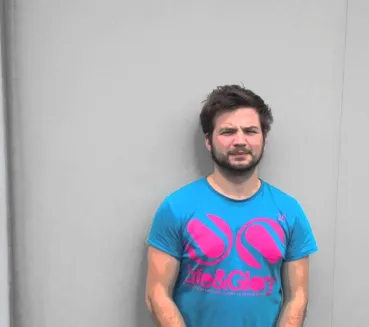
So, this isn't personal, it's personal experience, but we're not talking about like previous suicide attempts, are we? When you felt, OK, OK, yeah, well, I don't have to go in detail. No, cool, OK, right, so introduce yourself. My name is Jordan, 30 years of age, I'm from East London, as you can see. Not a good day for me actually.
Why is it not a good day? West Ham got relegated, so it might be one of the worst days of my life, but you know, we move on. There's always, there's always a light at the end of the tunnel, so. What, what does relegated mean? Relegated means basically where your team's in the top table of the, of England, and then cos you don't get enough points, you go down to the second tier of English football, so.
Yeah. That's really not a good day for you, mate, really not a good day for me, so yeah. So thank you for coming and talking to me about er suicide um.
Tell me a little bit about like what you do, er what you've done, like what's the kind of thing, like what's your job, what's your profession, like where, where have you sort of come from? So I work with vulnerable adults in substance misuse, I've got a background in learning disabilities as well as a support worker, previously worked in the rough sleeping sector as a, Support worker as well, uh, policed the streets of London when I was 18 for a few years, also had retail because everyone's had retail, um, yeah, and in those spaces, did people talk about like suicide, suicide prevention? I feel like often. You know, it's almost nature of the beast when you're working with vulnerable adults. For every few adults you work, there will be someone who's unfortunately experiencing suicidal thoughts, um, mental health as well, crisis as well, so you're constantly.
Having to support people, going through those tough times, um, yeah. What about your own experiences? Um, previously during COVID, I was suicidal, um, entered a stage of crisis, so put that behind me now, uh, life's a lot better now. Got a lot of things I've got in place for myself whenever like, cos life isn't, I don't, I've always said to people, if life was like that I'd have a face like Brad Pitt, a million quid in the account.
Yeah. And a six pack, but unfortunately life is always like that. And I'm better equipped now to deal with those down periods um than I was previously.
So thinking about this campaign is really understanding the racialized perspective. So as a racialized person, do you feel like that your experiences around mental health or, A wellbeing, particularly around like your suicidal experiences were properly understood by people around you, or services. I feel with certain people in my life, like certain people in my circle, um a particular family member, particular friends, they were very understanding, um because they see the person, they see Jordan, they don't see gender, they don't see race, they see me, so when I was in that crisis, they were brilliant.
Um, as for services, I think people from certain communities might feel a bit scared to open up and speak up because of particular cultures. They might have particular things in their culture. Um, so it's always an ongoing, it's always ongoing work, it's always progression for people to.
Eventually be able to speak up. And what made you feel like you were able to speak up? I. Looked at the people who were um in my life, um, the people who meant most, I was able to reach out to those, very thankful, you know, they're still in my life, very supportive at the time.
Yeah, so One thing I learned is, as men in particular, we have this thing where we get a rubbish bin and we're constantly filling it up, constantly fill it up. But what happens when it overfills, it overfills, you get insects coming in, you get rats coming in. If you're in an office space, your manager's gonna drop you an email going, why hasn't that been emptied? So it's causing you all kinds of problems, so.
Being able to speak now rather than letting that bin fill up, um, it's something I, it's taken time to learn, um, but I'm very good at it now. And was there anything about the people that you spoke to and shared with that made it easier for you to talk to them about your feelings? I think knowing trust is a big thing. Yeah, knowing that it's a safe space where you can talk to these people, and knowing it's non-judgmental whenever you speak to those people.
Um, connection as well, being able to connect with someone. Um, in the role I do, um, people are able to be open about their experiences because there is a connection. Whether that connection's small from like a professional point of view or, you know, outside of that, if someone is in crisis, that personal connection.
So yeah, so many different factors, um, yeah, and I think trust connection is a long thing, is a big thing. And was that the, was that the main reason that you. Got support from, so like when you were experiencing your suicidality.
And you reached out, like what made you reach out? Repeat it. When you were experiencing your like suicidality, when you felt like suicidal, like what made you reach out, like what was it like in that moment, what? I think in that moment, knowing if my back, asking yourself that question, if my back's against the wall, who would have my back? Who would pick up the phone, um. In a more positive sense, if you're on Who Wants to Be a Millionaire and you've gotta question, phone a friend, who's the person you're guaranteed, who's gonna phone, who's gonna pick up, who's gonna have your back, and that was for me, knowing who will have my back, who will be supportive, who will pick up the phone.
Yeah. And was it somebody like you, another racialized person? Yeah, it was a, a family is a relative. So thinking about all of that, um, have there been times where racism, discrimination, or not feeling that you are, um, belong in.
Affected your mental health or made you feel it's harder to reach out for help? I think in society in general, I think we've made, we've come a long way, don't get me wrong, er don't get me wrong, we live in London, you know, things have definitely evolved, um but, as a person of colour, there's always gonna be barriers you might have to overcome, there's always gonna be stigma you have to overcome. There's always gonna be pockets of you experiencing racism, there has been times where I've been a victim of racism, and it really has taken a toll on my mental health, and maybe not for like a long period, but, A few days after that you're feeling down, you're feeling defeated, you're feeling a bit hopeless cos you're like ah we're back to square one, you always ask yourself that, so. It it definitely sometimes does creep in where.
Being a person car, you might not be able to speak out necessarily because you just, you think, what's the point? Yeah, um, but that's, Not necessarily. That's, that's an ongoing, it's a work in progress. So that work in progress, um, so what would feeling generally safe, listened to, cared for and look like for you when it comes to suicide prevention and the com and your community? I think knowing that whatever you say is, you're not gonna be judged.
I think knowing whatever you say is a safe space as well, an open space, um knowing that. The person you go to or the service you go to, there is comfort there, um, and. It takes a lot to speak up, that's a huge first step for people cos some people unfortunately don't even get to that first stage of speaking up, so.
Being able to step, take that big step forward, open up to the world and knowing there will be a light at the end of the tunnel. So is there anything you think needs to be particularly considered when it comes to, um, your words like people of colour or racialized people? I think as a society there is work to be done. Yeah.
Um, you know, I think we're, we're in a much better place now than when we was, for example, 1520 years ago, maybe even 30, 40, 50 years ago. There's always work to be done, and I think, uh, you know, education is a big thing. Um, cos one thing I'll find.
People when they're educated on certain things, you know, they, they open up a bit more, they open up their horizons, so I believe education is a big thing for people. And when you, and we all got something to learn at the end of the day. I'm 30 years of age, I'm still learning.
Some people, 50, they're still learning, you know, everyone can learn no matter where they are, how experienced they are. Yeah. And when you mean education, you mean like access to knowledge around like suicide prevention, access to not like being book smart.
Yeah, yeah, of course, yeah, cos I, I always say there's a difference between book smart, having a degree, common sense. OK. So um thinking about suicide prevention, um.
What's something you would wish people, organisations or services better understood about suicide and racialized communities? I'll have to think about that one. So what would, what would I hope organisations, services would understand about, um, I, I think just being able to. To listen So Be in an open space, um, regardless of anyone, whether it's race, whether it's gender, regardless of economical background, I can list all these things, but just, just.
Be in an open space to all. And do you think it's important that people like you talk about suicide? Absolutely, absolutely, because I present, you know, I'm very positive in my life, very happy, but I've had that whole period and I think. When someone like myself who's worn the shirt, experienced it, put that past behind him, um, it can kind of inspire others and.
Whenever you're able to say no, don't worry, I can see you, I can hear you, that's a big thing for someone. And what do you hope will happen as a result of you sharing your story? Give a bit, just to give a bit more. Understanding to people, um, just to also understand that regardless of how people present, you never know what someone's going through.
I remember, um, During that time I wasn't feeling too good. I was on er Twitter, or now known as X, I was tweeting about the West Ham results, and people on the outside were probably having banter with me, having a laugh with me online, they didn't realise what I was going through, going through, um. At the time, you know, I'd see people in the gym, we'd be having conversations, they wouldn't understand what I was going through because I didn't open up and I think it's just that whole, you never really know what someone's going through.
um someone could present, they're all happy, they might seem like they're normal selves, but it's very important we understand. Don't judge, don't judge is what I'm saying, um, people behave because of certain things and we never know why really. It's always good to ask questions and you know it it goes a long way just to go up to someone and be like, how you doing mate? and you never know what you're gonna, you never know what you're gonna find.
So, a couple more questions, um, and then I think you can get out of the hot chair. So I, so what's helped you keep going when things are difficult? I think, A, speaking to people, um, never being afraid to pick up the phone, dropping your your mates a message, dropping a message to the group chat, talking to people you trust. I think also being honest with myself, um.
Knowing that, again, as I said earlier, life isn't always like that, life is gonna have ups and downs, um, it's about, when you're in the down periods, how you gonna cope, what good habits are you making, what. Well, Good things are you doing, what, are you still starting as you mean to go on because if you're down there, and you start to, you know, lose routine, start to not enjoy er not doing the things you enjoy. You can kind of go further down that rabbit hole, so I'm still, whenever life isn't too good, I'm still starting as I mean to go on, still waking up, having my coffee, having my house music on, still trying to enjoy the little things in life.
House music and coffee, it's a great mix. That does not sound like a great mix um. Yeah, and also just realising that like, there is a light at the end of the tunnel, um, it might not seem, it might be very, very far away, it might be super far, and it, you don't see it, but there is a light at the end of the tunnel, it always gets better.
Can I ask you a question about how do you think your family. It would have experienced your experience, like so have you been able to be open with your family about it? I've er there was one particular family member I was very open to um and he was great, supported me, met up with me, um, dragged me out of the deep end I was in, and sometimes you need that, you need someone to put your arm around you and drag you through the finishing line and that's never easy for the person supporting you, never easy for the person experiencing it, so I was very fortunate, I was able to have family to speak to. And do you think that coming from a family that is a racialized family, that it's always easy to speak about suicide? I think with every culture, um there's always certain ways they might go around things or certain.
What's the word um I certain, they might be in a certain frame of mind when it comes to certain things and again as I said, it's all about education, it's all about this is how I feel, this is the best way to support me and yeah, people can learn from it. So if you were talking to another young West Ham. Football person that was racialized, and you had anything that you'd want to tell them and they'd be feeling like they didn't want to be here, what would you tell them? It gets better, it always gets better, there is a light at the end of the tunnel.
Don't be dafty like me who was filling up that bin with all the rubbish and, you know, eventually I overfilled and all the rats came in, all the pesticides come in, all the insects come in, you know, get the email from the manager, why hasn't that bin been replaced? Speak up before it gets bad. And I know that's easier said than done, but sometimes it's all, all it takes is a conversation. All it takes is for one conversation for someone to be a bright spark in your life.
Anything you'd like to add? All good, I'm I'm boiling.